

A letter shows up from your water provider. It says a backflow prevention assembly on your property is due for testing, gives you a deadline, and mentions that service can be interrupted if you do not comply. Most people read it twice and still are not sure whether it applies to them.
It usually does. Here is the plain version.
What backflow actually is
Water in a supply line is supposed to move one direction: from the main, into your building, out your fixtures. Backflow is when that reverses and water from your property gets pulled back into the public supply.
It happens more easily than you would think. A water main break or a hydrant opened for a fire drops pressure in the street. For a few seconds the line is pulling instead of pushing. Whatever is sitting on the other side of an open connection can come with it, which is why a lawn irrigation system that has fertilizer injected into it is treated as a serious hazard and a bathroom sink is not.
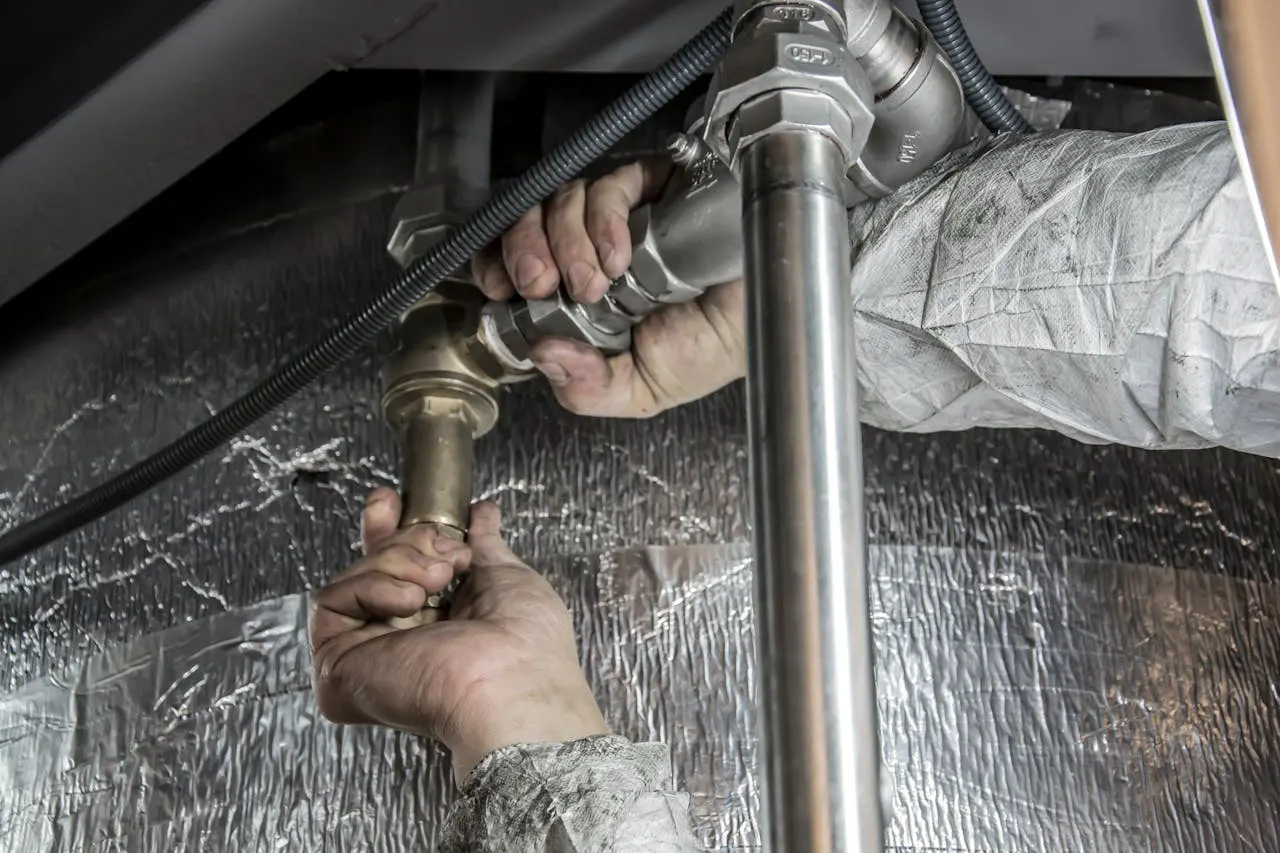
A backflow prevention assembly is the mechanical check that stops it. It is not a smart device and it does not report on itself. It is springs, seats and check valves, and those wear.
Who has to test, and how often
Texas rule is specific about this. Under 30 TAC §290.44(h)(4), backflow prevention assemblies installed to protect against health hazards have to be tested and certified as operating within specification at least annually, and the person doing the testing has to hold a current Backflow Prevention Assembly Tester license issued by the TCEQ.
In practice, the properties that get notices are:
- Homes with in-ground irrigation. This is the biggest category by far. If you have a sprinkler system, you almost certainly have an assembly, and it is almost certainly on the annual list.
- Any property with a pool, a well, or a rainwater system tied anywhere near the potable supply.
- Commercial buildings and restaurants, particularly anything with a boiler, a chemical feed, a carbonator, or a dedicated makeup water line.
- Buildings with fire sprinkler systems. Worth flagging: firelines are handled separately under the same rules, and a tester can only work on them if they are permanently employed by an Approved Fireline Contractor. If your notice is for a fireline, ask any company you call whether they are covered for it before you schedule.
Your water provider sets the notice calendar, not the state, so the exact due date on your letter comes from them. The annual floor comes from the state.
What the test actually involves
Shorter than people expect. A licensed tester connects a calibrated differential gauge to the test cocks on the assembly, closes valves in sequence, and reads whether each check holds pressure the way the specification says it should. Most single assemblies take well under an hour.
Three outcomes:
It passes. The tester files the report with your water provider and you are done for the year.
It fails and it is repairable. Usually a worn rubber seat, a fouled check, or debris. Rebuild kits exist for the common assemblies and a repair plus retest often happens in the same visit, which is the main reason it is worth having the person who tests it also be able to fix it.
It fails and it needs replacing. Older assemblies, freeze-cracked bodies, anything past the point where parts are made. Less common, but it happens, and a February freeze is the usual cause around here.
The paperwork matters as much as the wrench work. The test report has to reach your water provider to count. A test that happened but was never filed looks identical to no test at all.
What happens if you let the deadline pass
It depends on the provider and it escalates. A second notice, then a fee, then in most jurisdictions the authority to shut off service until the assembly is certified. Providers do not enjoy doing that and generally give you room, but the authority is real and it does get used.
The more common cost is quieter. A property with an uncertified assembly is a problem at closing, and it is a problem during a commercial inspection. Sorting it out in a week because a buyer’s inspector flagged it costs more than sorting it out in the spring because a letter told you to.
Two things worth doing before you call anyone
Find the assembly and look at it. On a house with irrigation it is typically near the meter or the point of connection, often in a green ground box or standing above grade against the house, usually brass, with two shutoff valves and a row of small test cocks. Take a photo of the tag. The make, model and size on that tag tell a tester what to bring.
Check the date on your last report. If you already had it done in the last twelve months and the report was filed, the notice may simply have crossed in the mail.
Freeze damage is the local wrinkle
An above-grade assembly is exposed brass sitting outdoors, and Houston does not get cold often enough for people to insulate them out of habit. Then a hard freeze comes through and a cracked body shows up months later as a failed test. If yours sits above ground and you have never wrapped it, that is a fifteen-dollar problem to prevent and a several-hundred-dollar problem to fix.
We test and repair, same visit
We hold the license, we carry the gauge, and we file the report with your provider so the record actually closes out. If the assembly fails and it is a rebuild, we usually handle it while we are there rather than booking you a second appointment.
Bring your notice, or just tell us who your water provider is. Call (281) 786-3695 and we will get you on the schedule.